


medicube
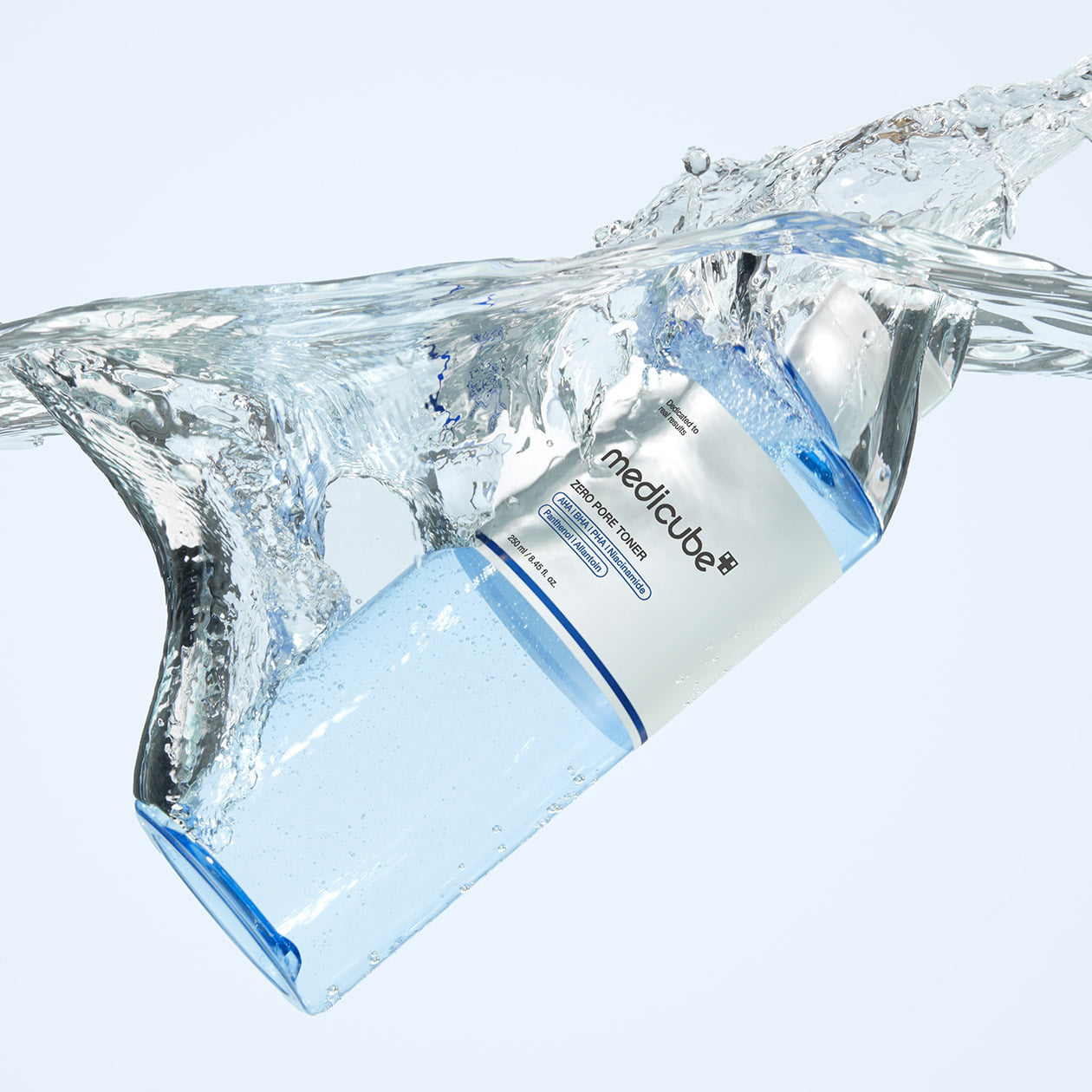
medicube - Zero Pore Toner 250ml
medicube - Zero Pore Toner 250ml
Couldn't load pickup availability
✓ Ships from Korea & US · Tracked Delivery
✓ Free gift with every order
✓ Easy Returns · Secure Checkout
medicube Zero Pore Toner 250ml — Korean Pore Toner with Niacinamide, BHA and PHA
The medicube Zero Pore Toner is the first step of medicube’s Zero line, the range the brand builds specifically around pores, blackheads and excess sebum. It goes on straight after cleansing and does two jobs in one pass: it clears the inside of the pore, and it puts water back into skin that cleansing just stripped. That combination is the whole point — most pore toners pick a side, and the ones that only strip are the reason oily skin gets oilier.
What the Zero Pore Toner Does
- Clears the sebum plug inside the pore. A blackhead looks black because hardened sebum has oxidized at the opening. Dissolve the plug and the pore reads smaller — because it is no longer packed full.
- Smooths surface texture. Rough skin scatters light across every pore edge and makes each one more obvious. Smooth skin reflects light evenly and the same pores fade back.
- Controls the shine. Niacinamide is the third ingredient on the list — the standard active for sebum and uneven texture, and it is here in a meaningful position, not as a footnote.
- Rehydrates as it exfoliates. Hydrolyzed hyaluronic acid goes on in the same pass, so the acid work happens on hydrated skin rather than raw skin.
What it will not do: change the diameter of your pores. Pore size is largely genetic. Nothing in a bottle changes it, and anything claiming otherwise is selling. What changes is visibility, and visibility is what people actually want. Our complete Zero Pore guide goes through this properly.
Who the Zero Pore Toner Is For
medicube lists it as suitable for combination, dry, normal, oily and sensitive skin, targeting sebum, pores, uneven texture and dryness. In practice:
- Nose and chin shiny by lunchtime
- Pores around the nose that look packed rather than empty
- Texture that feels rough under a fingertip even when there is nothing to squeeze
- Anyone who wants an exfoliating toner they can build up to daily rather than a weekly treatment
Browse Smooth & Pore Refining Skin and Acne-Prone Skin. If your skin runs oily and tight at the same time, that is dehydration, not oiliness — see Hydration Boost and the difference between dehydrated skin and dry skin.
Key Ingredients in medicube Zero Pore Toner
- Niacinamide — third on the ingredient list. The standard active for excess sebum, uneven tone and rough texture, and the reason this toner does more than exfoliate. More in our complete niacinamide guide.
- Betaine Salicylate (BHA) — oil-soluble, so it travels down into the pore where sebum actually sits. This is the ingredient doing the blackhead work.
- Gluconolactone (PHA) — the large, slow, gentle acid. It works at the surface and suits skin that reacts badly to stronger exfoliants. It is why a sensitive-skin start is realistic here.
- Hydrolyzed Hyaluronic Acid — a low-molecular-weight HA fragment. It is what lets a toner feel like water instead of syrup while still hydrating. See our hyaluronic acid guide.
- Panthenol and Allantoin — the soothing pair, buffering the acids.
- Witch Hazel, Willow Bark, Jasmine and Eggplant Extracts — the botanical side, weighted toward sebum and calming.
- Menthyl Lactate — a cooling agent. This is the ingredient behind the fresh finish, not a temperature effect on your pores.
Texture, Scent and Finish
Watery and thin — closer to water than to an essence. It sinks in within seconds and leaves nothing tacky behind, which is what makes it viable in a morning routine under sunscreen and makeup.
There is a mild cooling sensation on application from the menthyl lactate, and a light citrus scent from lemon peel oil. Worth knowing if you are fragrance-sensitive: citrus peel oils are a common trigger, so patch test if that is you. The finish is clean and matte-leaning, not squeaky and not stripped.
Why You’ll Love It
- The 250ml bottle is the argument. It is sized for daily, generous use — including soaking your own toner pads, which is how most people in Korea use an acid toner. Small bottles encourage rationing, and rationing an exfoliating toner is exactly how you get nothing out of it.
- Acids at more than one depth. BHA inside the pore, PHA at the surface for tolerance. Most pore toners run a single acid and are either too weak or too harsh.
- It hydrates while it exfoliates. The reason this can become a daily step instead of a Sunday-night event.
- Niacinamide is actually in it. Not a trace — high on the list.
- Honest about what it does. It clears pores and smooths texture. It does not shrink them, and we are not going to tell you it does.
How to Use medicube Zero Pore Toner
- Cleanse first and pat lightly — leave skin slightly damp, not dry.
- Pour a small amount onto a cotton pad, or into your palms.
- Sweep or press over the face, spending a little longer on the nose, chin and anywhere pores look congested. Avoid the eye area.
- Let it absorb for a moment. No rinsing.
- Follow with serum and moisturizer to seal in the hydration.
- Start every other night if your skin is sensitive or new to acids, then build to daily as it tolerates.
- Wear sunscreen every morning. Any acid in a routine makes daily SPF non-negotiable.
How to Add It to Your Routine
Cleanse → this → serum → moisturizer → sunscreen in the morning. A toner is the first hydrating step, not the last, and it is the step that decides how well everything after it absorbs.
See Korean Cleansers for what comes before it, Korean Serums and Korean Moisturizers for what comes after, and the rest of our Korean Toners. Shop the full medicube range.
Two pairings work naturally with pore care: niacinamide, already in this formula and worth layering more of, and hyaluronic acid. For the plump, even finish most people are actually chasing, see Glass Skin & Glow.
Within the Zero line, this toner is the first step and the Zero Pore Pad is the same idea in pre-soaked form — pick one, not both. Layer a pore serum after it and seal with the cream.
Read First
New to acids or to pore care, start with our guide to pores and blackheads, Korean skincare ingredients explained and how to build the right routine for your skin type. If pores come with breakouts, read how to treat acne without destroying your skin barrier and the best Korean routine for acne-prone skin. Deciding what to layer after the toner? Which serum you actually need. And if you have been doing everything and nothing is moving, why your routine isn’t working.
Share
Ingredients
How to Use
2. Pour a small amount onto a cotton pad or into your palms.
3. Sweep or press gently over the face, spending a little longer on the nose, chin and anywhere pores look congested. Avoid the eye area.
4. Let it absorb for a moment — no rinsing.
5. Follow with serum and moisturizer to seal in the hydration.
6. Start every other night if your skin is sensitive or new to acids, then build up to daily as your skin tolerates it.
7. Use sunscreen every morning. Any acid in a routine makes daily SPF non-negotiable.


Frequently Asked Questions
Can a toner really make pores smaller?
Not literally — pore size is mostly genetic, and no topical product changes it. What changes is how visible a pore is. A pore packed with hardened sebum reads as larger and darker than the same pore cleared out. Clearing it is a real, visible difference, and it is the honest version of what pore care does.
Is medicube Zero Pore Toner good for sensitive skin?
Yes, with a slow start. medicube lists it as suitable for sensitive skin, and the PHA in the formula is the gentlest of the exfoliating acids, so a careful build-up is realistic. Begin every other night and increase only if your skin stays comfortable. One thing worth knowing: the formula contains lemon peel oil, which is a common trigger if you react to fragrance, so patch test first.
How often should I use it?
Daily is the goal, but not the starting point if your skin is sensitive or new to acids. Begin every other night, watch how skin responds over a week or two, then build up. Acids are a dose, not a switch.
Can I use Zero Pore Toner with niacinamide or vitamin C?
With niacinamide, yes. There is already niacinamide high in this toner, and layering more of it is the standard pairing for sebum and texture. With vitamin C, separate them: vitamin C in the morning, the toner at night. Stacking two strong actives on the same skin at the same time is the fastest way to irritate a barrier you are trying to improve.
What is the difference between AHA, BHA and PHA?
They work at different depths. AHA is water-soluble and works on the surface, on texture and dullness. BHA is oil-soluble, so it gets down inside the pore where sebum sits — that is the one that matters for blackheads. PHA has a larger molecule, so it works more slowly and suits skin that reacts to the other two. This toner uses all three.
My skin is oily and tight at the same time. Is this right for me?
That combination usually means dehydrated skin, not oily skin — it is producing oil because it has no water. This toner is built for exactly that gap: it exfoliates and hydrates in the same step rather than stripping. Still follow it with a moisturizer to seal the water in.
Do I need sunscreen with this?
Yes. Any acid in a routine makes daily SPF non-negotiable — exfoliated skin is more vulnerable to UV, and sun exposure undoes the texture work you are doing. Sunscreen every morning, no exceptions.